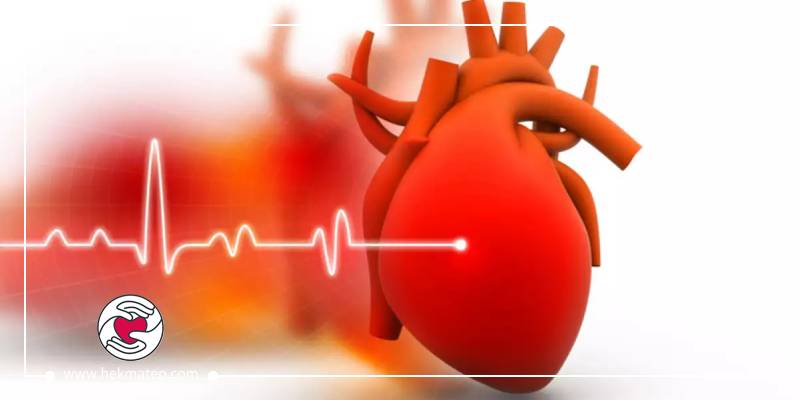

هنگامی که تپش قلب دارید، ضربان قلب شما ناراحت کننده یا غیر عادی می شود. Heart palpitations can last for several seconds, minutes or even longer.
Treatment for heart palpitations depends on its cause. But it usually does not require treatment. However, if your heart palpitations are caused by heart problems or are accompanied by symptoms such as shortness of breath or dizziness, you should definitely visit a cardiologist in Isfahan or other cities. In general, the feeling of heart palpitations and shortness of breath in sleep should not be ignored.
A cardiologist uses drugs or other treatment methods to correct the heart rhythm of patients. Also, avoiding things that cause heart palpitations, such as stress, smoking, caffeine and alcohol can help. Stay with us:
What is the cause of heart palpitations?
Heart palpitations include a wide range of causes. Emotional shock, feelings of stress or anxiety, intense exercise, taking certain medications, as well as the wrong lifestyle, can all cause palpitations.
In some cases, palpitations with shortness of breath during sleep or a feeling of dizziness are caused by a medical condition that affects the heart or another part of your body. Heart palpitations are so common that they are the second most common reason people visit a cardiologist.
In the table below we point out the most important causes of heart palpitations and their examples:
Causes of heart palpitations | Example: | |
Lifestyle triggers | Strenuous exercise Excessive caffeine or alcohol consumption Nicotine, cigarette and cigar use Lack of sleep Dehydration Body Smoking | |
Emotional or psychological stimuli | Stress Anxiety Fear Terror Being shocked | |
Consuming some Medicines | Some over-the-counter drugs such as cold medicines, herbal supplements and nutritional supplements Prescription drugs such as asthma inhalers and decongestants Stimulants such as amphetamines | |
Heart diseases | Hormonal changes due to pregnancy or menopause Hypertension Thyroid Fever Sleep apnea Electrolyte abnormalities Low levels of oxygen or carbon dioxide in the blood Blood loss href="https://fa.wikipedia.org/wiki/%DA%A9%D9%85%E2%80%8C%D8%AE%D9%88%D9%86%DB%8C" target="_blank" rel="noopener">Anemia Low blood sugar |
Remember when the heart beats Be…!
Irregular heartbeats usually do not require treatment, unless a cardiologist determines that they are caused by an underlying disease.
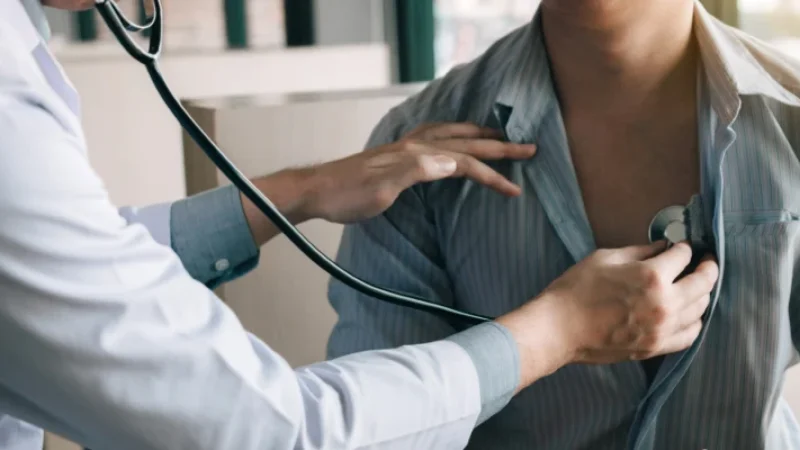
If you have palpitations and other heart problems, you should see a doctor immediately cardiologist in Isfahan.
Sometimes a heart problem has not been diagnosed, but your heartbeat is accompanied by other symptoms such as dizziness, weakness, lightheadedness, fainting, confusion, shortness of breath, excessive sweating, pain in the arms, neck, chest, jaw or upper back.
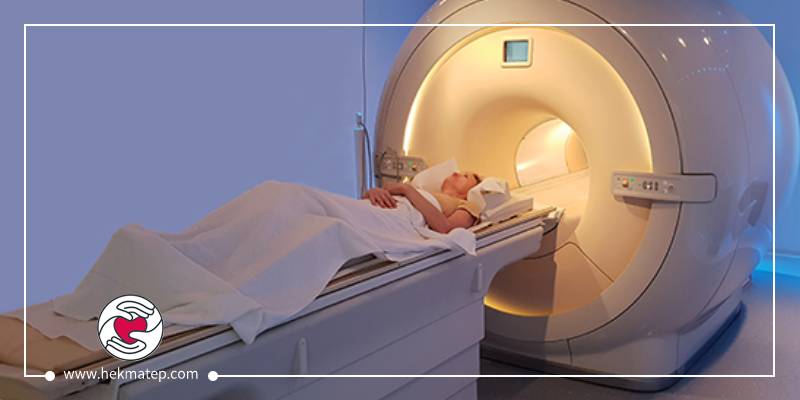
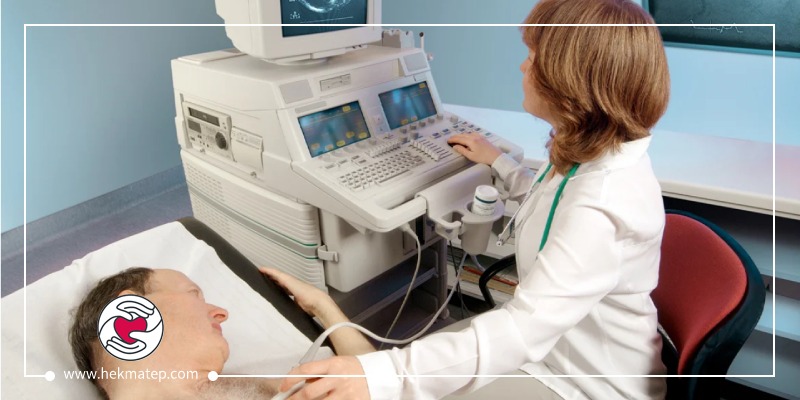
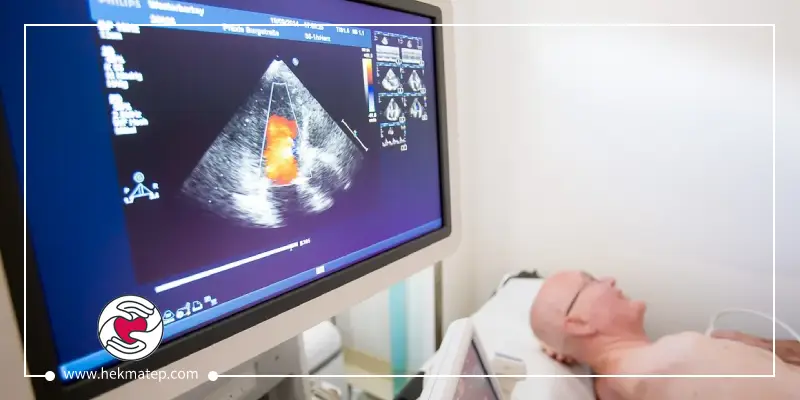
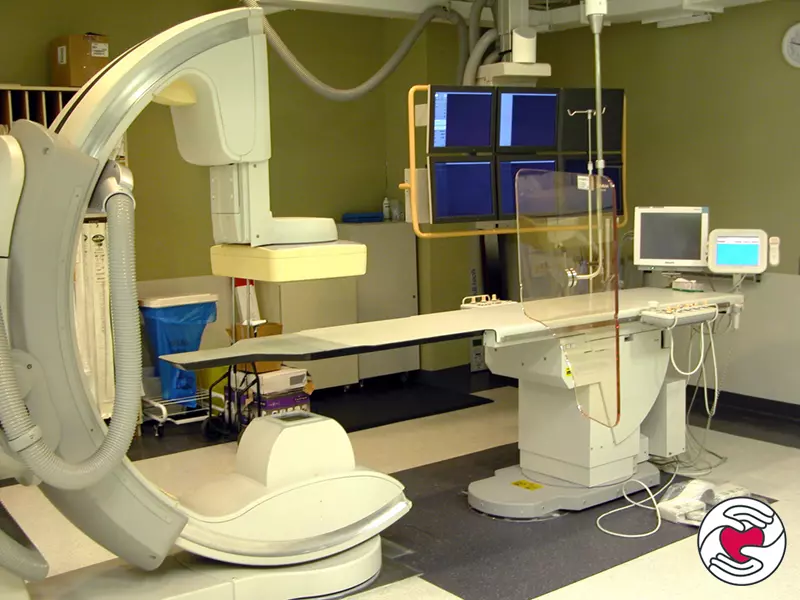
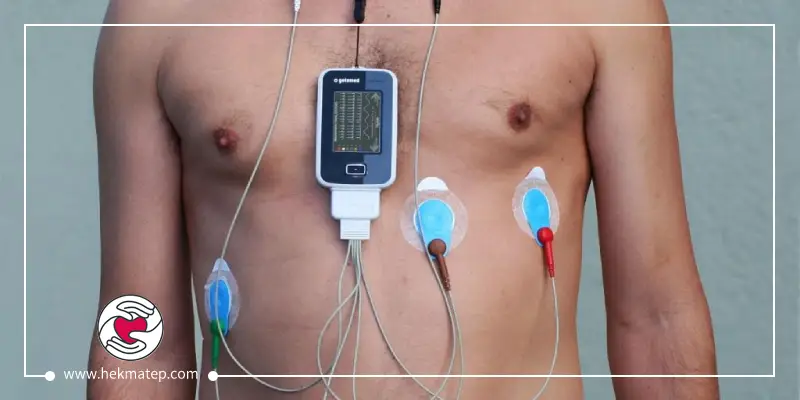
These can also be symptoms of a serious illness. Therefore, if you experience any of these symptoms, be sure to consult a doctor. The cardiologist will thoroughly check your condition using angiography, echo, etc. If you live in Isfahan, you can use angiography in Isfahan services, Echocardiography in Isfahan and... see Dr. Hekmat.
What is the relationship between heart palpitations and shortness of breath?
Many different heart problems can lead to shortness of breath. Shortness of breath due to heart problems may occur suddenly or gradually over time. It may also occur only during physical activity or in stressful situations.
You should not ignore symptoms such as shortness of breath while sleeping or in a normal state. Because it may have been caused by a serious underlying disease. If you have severe shortness of breath or you feel palpitations along with it, definitely seek treatment.
Remember that this condition can be one of the most common symptoms of heart failure. It is an uncomfortable feeling that even makes you feel suffocated. The feeling of shortness of breath may even gradually worsen and finally occur at rest.
Symptoms such as shortness of breath, palpitations, and dizziness require careful evaluation by a specialist. Patients with shortness of breath usually experience worse lying on their backs. Or those who suffer from shortness of breath in sleep sometimes wake up and sit up to breathe.
It is very important that heart failure is detected and treated in time. Fortunately, many tests are available to help determine the cause of heart failure.
Your doctor can greatly improve your quality of life by diagnosing the cause of heart palpitations and getting the best treatment for it.

Suggested text: What is the symptom of shortness of breath in sleep?
How to prevent heart palpitations?
If your doctor or cardiologist determines that your abnormal heartbeat does not require special treatment, he may give you some recommendations to prevent and reduce the risk of heart palpitations to give Here are some recommendations:
- Try to identify the triggers described in the table above so you can avoid them. Pay attention to the foods and drinks you consume throughout the day, or any medications you take. Also, monitor your emotional state when your heart rate increases.
- Try to stick to a healthy, nutrient-rich diet.
- You should manage your blood pressure and cholesterol levels well, and prevent your blood sugar from getting too low.
- If you feel stressed or afraid, you should overcome these feelings with relaxation techniques such as meditation or yoga.
- If you are taking medication that causes shortness of breath or heart palpitations, be sure to ask your doctor to prescribe an alternative medication.
- Limit or stop drinking coffee or caffeinated beverages. do Energy drinks can also cause irregular heartbeats. Therefore, it is better not to consume these drinks and to compensate for your lost energy, have enough sleep at night.
- Do not consume alcoholic beverages, do not smoke and avoid using products such as tobacco. (If you can't quit smoking completely, limit it as much as possible.)

What to do if palpitations are accompanied by shortness of breath?
Your breathing and your heart, which pumps blood regularly, are very closely related. Your heart pumps blood to the tissues of your body and also takes oxygen from your lungs. In this way, if your heart cannot pump blood well, you may feel short of breath.
If your heart palpitations are accompanied by shortness of breath, that is, you feel these two symptoms together without the presence of a serious illness, you should see a doctor for more comprehensive evaluations.
This situation can indicate an irregularity in your heart rhythm. In general, the more symptoms accompanied by palpitations, the more serious the problem is, and the person should feel more at risk.
Causes of shortness of breath and palpitations while walking
The cause of shortness of breath and palpitations while walking can be due to things like anxiety, asthma, or obesity, and is rarely a sign of a more serious medical condition. The severity of this event can be different for different people and varies from acute or chronic to normal. Acute shortness of breath lasts from several hours to several days, and chronic shortness of breath lasts more than 4 to 8 weeks. Walking can cause shortness of breath in some people or increase heart rate.
Note that shortness of breath is different from difficulty breathing. Some people may experience shortness of breath or shortness of breath, which requires immediate medical attention or emergency care. Some of the most common causes of shortness of breath and palpitations while walking are:
- Anxiety
- Asthma
- Cardiac arrhythmia
- Pneumonia
- Chronic obstructive pulmonary disease (COPD)
- Pulmonary embolism
- Obesity
- Interstitial lung disease
The cause of heart palpitations and shortness of breath during exercise
Heart palpitations and shortness of breath during exercise refers to a situation in which a person cannot breathe well and fully during sports activities. This can occur in the form of rapid breathing, difficulty in breathing, the feeling of needing to make the most effort to supply air, or the feeling of lack of oxygen saturation in the body. Heart palpitations and shortness of breath during exercise usually occur due to a combination of physiological factors and factors related to exercise.
There are various reasons for the occurrence of shortness of breath during exercise, of which not being used to exercise and environmental conditions are common and general reasons. Some people may experience shortness of breath during exercise because they are not used to exercising a lot. Some people may also experience shortness of breath due to environmental conditions such as exercising at high altitudes, hot weather, etc. But some respiratory conditions may also lead to heart palpitations and shortness of breath during exercise, including the following: Asthma Acute exacerbation of chronic obstructive pulmonary disease (COPD) Pneumonia Lung cancer Pulmonary embolism Pulmonary edema edema)
symptoms of shortness of breath and heart palpitations
Shortness of breath and heart palpitations can have many signs and show different symptoms. Some symptoms may be unique to shortness of breath, which include:
- Feeling of inability to breathe deeply and lightly
- Feeling of restriction in breathing
- Feeling of pressure in the chest
- Feeling of suffocation or shortness of breath
- Feeling of inability to breathe during physical activity
Some symptoms are also exclusive These symptoms only occur for palpitations, which include:
- Rapid, strong or irregular heartbeat
- Feeling of heartbeat in the chest or neck
- Feeling dizzy or unbalanced due to palpitations
Some signs and symptoms are also the same in palpitations and shortness of breath, including symptoms Mentioned below:
- Chest pain
- Coughing, sputum or bleeding from the lungs
- Severe dizziness or headache
- Feeling very tired and weak
- Excessive sweating
- Feeling anxious or worried
- Unwanted weight gain or loss
- Anxiety and restlessness
There are steps you can take to prevent shortness of breath and heart palpitations from getting worse. For example, avoid smoking as much as possible to reduce the risk of the mentioned diseases. Going to the doctor and having a periodic check-up are among the necessary cares for shortness of breath.
Summary
Your heart and body rely on a constant beat to move blood in the best way in your body. But if the beat goes out of rhythm, palpitations occur. If heart palpitations are caused by heart problems, you should immediately seek medical treatment.
In general, changes in heart rhythm should not be ignored. When the heart is continuously out of rhythm, it needs medical intervention to return to the rhythm.
If your heartbeat is accompanied by dizziness, pressure and chest pain, shortness of breath or fainting, it can be a sign of a heart attack! Therefore, you should not ignore these symptoms. In such a situation, the best thing to do is to call the emergency room.
Frequently Asked Questions
Can shortness of breath cause a slow heart rate?
Yes; If the heart rate is too slow and the heart cannot pump enough oxygen-rich blood to the body, bradycardia or a low heart rate occurs, which can be a serious problem.
In this case, you may feel dizzy, tired or very weak and short of breath. همچنین گاهی اوقات برادی کاردی علائم یا عوارض خاصی ایجاد نمی کند و تشخیص آن با پزشک است.
چگونه بفهمیم تنگی نفس مربوط به قلب است؟
اگر تنگی نفس زمانی اتفاق میافتد که به وضوح تلاشی نمی کنید یا فعالیت سنگینی ندارید، یا به طور ناگهانی بروز می کند، این ها علائم هشداردهنده ای هستند که به طور بالقوه مشکل قلبی ممکن است مقصر آن باشد.
افراد مبتلا به برادی کاردی ضربان قلب کمتر از ۶۰ ضربه در دقیقه را تجربه می کنند که اغلب منجر به سرگیجه، تنگی نفس و حتی غش می شود.